


 Online Sales
The Open Secret to Restaurant-Quality Pasta
Why Pasta Tastes Better in Restaurants, According to a Former Line Cook
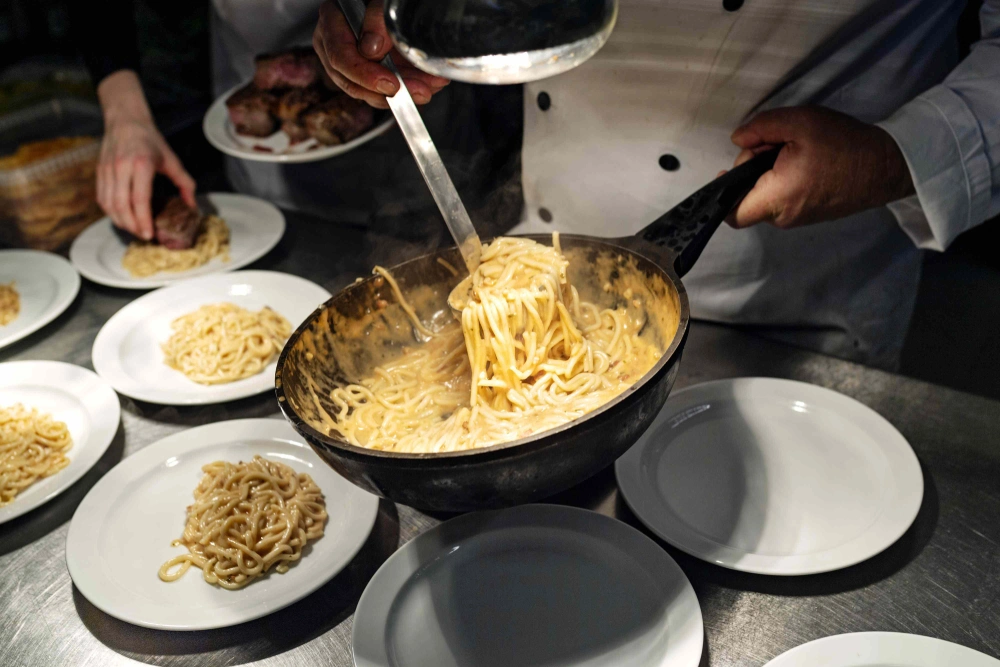
The Secret to Restaurant-Quality Pasta at Home
Some like it smothered in rich Bolognese sauce, others prefer it tossed with a simple fresh tomato sauce. Some enjoy it in a creamy spinach sauce or spiced with garlic and anchovies. No matter how you like it, pasta remains one of the most popular dinner choices—and for good reason. It’s quick, simple, delicious, and almost everyone loves it. But have you ever noticed that restaurant pasta often tastes better than homemade? There’s a reason for that, and it’s not just that chefs add more salt or butter. In fact, there are simple techniques (and a bit of culinary knowledge) that can help you recreate restaurant-quality pasta at home.
Mastering Cooking Time
Overcooking is one of the easiest ways to ruin pasta. Cooking instructions on the package aren’t always reliable because pasta is an agricultural product, and many factors affect cooking time. The best method is to taste it. In restaurants, pasta is often cooked in large batches, lightly tossed with olive oil to prevent sticking, and then finished to order. Aim to cook pasta slightly under al dente, allowing it to finish in the sauce.
Finish Pasta in the Sauce
Slightly undercooked pasta is finished in the sauce. Chefs add a little sauce to a pan, transfer the almost-al-dente pasta directly into it, and gently toss. The pasta absorbs the sauce while reaching perfect doneness, ensuring flavor is fully integrated.
At home, I do the same with long-simmered Bolognese or high-quality ready-made sauces. I finish the pasta in the pan for 1–2 minutes, then serve directly from the pan or portion it into bowls for a fancier presentation.
Reserve Some Cooking Water
Always save some pasta cooking water. It contains starch, which helps thicken the sauce and gives it a silky texture. About one cup of water is ideal—added gradually to the pan, it helps the sauce cling perfectly to the pasta. This works for creamy sauces, wine-based sauces, vegetable ragùs, and even pesto.
These simple steps don’t change the nutritional value but ensure that the pasta you make at home tastes as satisfying as what you’d find in your favorite Italian restaurant.